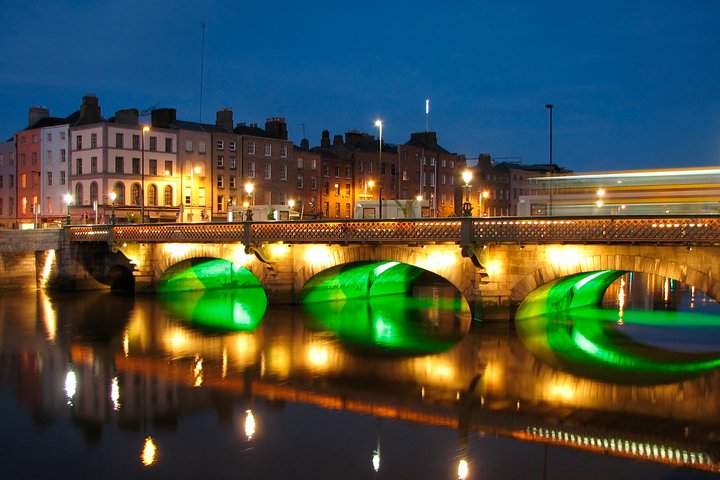
Whispers of Victorian Dublin: A Journey Through Time
Drawn by the allure of Dublin’s Victorian past, I embarked on a journey through its storied streets. The city’s architecture whispered tales of philanthropy, industry, and progress, offering a glimpse into a bygone era.


Echoes of the Past
The air was thick with the scent of rain-soaked cobblestones as I embarked on a journey through the heart of Dublin, a city that wears its history like a cloak. The Victorian Architecture Tour promised a glimpse into the past, a chance to walk the same streets that bore witness to the rise and fall of empires. As an urban explorer with a penchant for the forgotten and decayed, I was drawn to the stories whispered by the bricks and mortar of this storied city.
Our guide, a keeper of secrets, led us to the imposing Christ Church Cathedral. Its Gothic spires reached skyward, a testament to the Victorian era’s grand ambitions. The cathedral’s stones seemed to hum with the echoes of prayers long past, a reminder of the city’s spiritual heart. As we moved southward, the red-brick Iveagh Buildings stood as silent sentinels, their facades a tribute to the philanthropy of the Guinness family. These structures, once a refuge for the working class, now stood as monuments to a bygone era.
Shadows of Industry
The tour wound its way through the old liberties district, where the ghosts of industry lingered in the air. The Iveagh Markets, with their crumbling facades, spoke of a time when commerce thrived in the heart of Dublin. The Guinness family’s legacy was etched into every brick, a reminder of their influence on the city’s fortunes. As we wandered through the historic streets, the stories of poverty and disease that plagued the Victorian city came to life, painting a picture of a society in flux.
St. Patrick’s Park, once a notorious slum, now offered a serene escape from the city’s hustle. The park’s Victorian gardens provided a vantage point to admire the grandeur of St. Patrick’s Cathedral, another beneficiary of the Guinness family’s generosity. The juxtaposition of beauty and decay was a familiar theme, one that resonated with my own explorations of urban ruins.
Monuments to Progress
Our journey continued to the financial heart of Victorian Dublin, where the ornate facades of Dame Street’s bank buildings stood as monuments to capitalism. These structures, with their intricate details, were a testament to the prosperity of the era. The rise of the Catholic middle class was evident in the transformation of City Hall, a symbol of shifting power dynamics within the city.
As we meandered through Trinity College’s campus, the architectural marvels of the Victorian period unfolded before us. The Museum Building, with its exquisite design, was a celebration of high culture and intellectual pursuit. The National Gallery of Ireland and the Natural History Museum stood as beacons of progress, their walls adorned with the achievements of the era.
The tour concluded at the port, where the salty breeze carried tales of innovation and ambition. The diving bell, a relic of engineering prowess, served as a reminder of the city’s maritime heritage. As I stood on O’Connell Bridge, gazing north along the storied thoroughfare, I felt the weight of history pressing down, a reminder of the city’s enduring legacy.
In the end, the Victorian Architecture Tour was more than a walk through Dublin’s streets; it was a journey through time, a chance to connect with the city’s soul. For those who, like me, are drawn to the shadows of the past, it was an experience that lingered long after the tour had ended.