Kyoto’s Timeless Allure: A Private Tour of Temples and Traditions
With a deep appreciation for Japanese culture, I embarked on a private tour of Kyoto’s temples and shrines. Guided by the knowledgeable Kazu, I discovered hidden gems and participated in a traditional tea ceremony, immersing myself in the city’s rich history and traditions.



A Journey Through Time: Kyoto’s Temples and Shrines
Stepping into Kyoto is like stepping into a living museum, where the past and present coexist in harmony. As someone who has spent years immersed in the cultural tapestry of Asia, I was eager to explore Kyoto’s rich history and traditions. The Kyoto Tour promised an intimate look at the city’s most revered temples, shrines, and tea ceremonies, and it did not disappoint.
Our guide, Kazu, was a master of his craft. Fluent in English and deeply knowledgeable about Kyoto’s history, he reached out to us well before the tour to tailor our experience. His suggestions of hidden gems and lesser-known spots were invaluable, allowing us to experience Kyoto beyond the typical tourist trail. On the day of the tour, Kazu met us promptly at our hotel, armed with a handmade map and a wealth of information.
The journey began with a visit to the Fushimi Inari-taisha Shrine, where the famous vermillion-red torii gates create a mesmerizing tunnel. Kazu’s insights into the shrine’s history and its connection to the god of grains, Inari, added depth to our visit. We learned about the fox statues, or “kitsune,” which are believed to be messengers of Inari and are revered for their cunning and intelligence. As we walked through the gates, I couldn’t help but feel a sense of reverence for the centuries-old traditions that continue to thrive in this sacred space.
Hidden Gems and Cultural Insights
One of the highlights of the tour was Kazu’s ability to navigate the bustling streets of Kyoto with ease. His knowledge of the city’s layout and his government-licensed pass allowed us access to areas typically off-limits to tourists. This special access provided a unique perspective on Kyoto’s cultural heritage, and I felt privileged to witness it firsthand.
Our next stop was the Kiyomizu-dera Temple, a UNESCO World Heritage site perched on the hills overlooking Kyoto. The temple’s wooden stage offers breathtaking views of the city, and Kazu’s commentary on its architectural significance and historical context enriched our experience. As we wandered through the temple grounds, Kazu pointed out hidden corners and lesser-known features, ensuring we didn’t miss a thing.
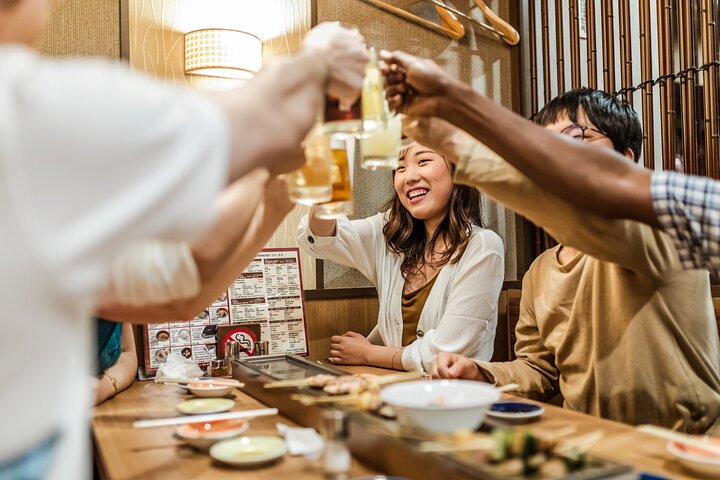
Lunch was a delightful affair, with Kazu introducing us to local delicacies and teaching us a few phrases in Kansai-ben, the regional dialect. This small gesture endeared us to the local shop owners, who were generous with their hospitality. It was a reminder of the warmth and kindness that permeates Japanese culture, and I felt grateful for the opportunity to connect with the people of Kyoto in such a meaningful way.
A Tea Ceremony to Remember
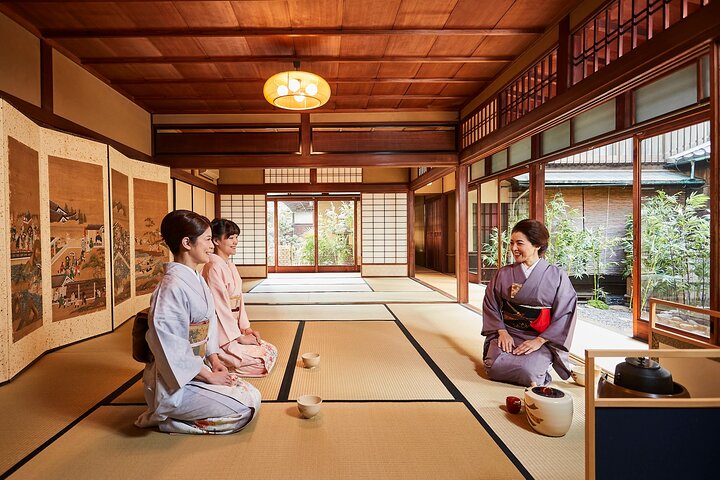
The final leg of our journey took us to a traditional tea house, where we participated in a tea ceremony. This ancient ritual, steeped in Zen philosophy, was a fitting conclusion to our day. The tea master guided us through the ceremony with grace and precision, and I was struck by the mindfulness and attention to detail that defines this practice.
As I sipped the matcha, I reflected on the day’s experiences and the profound sense of connection I felt to Kyoto’s history and culture. The Kyoto Tour had not only deepened my appreciation for Japan’s rich traditions but also reminded me of the importance of preserving these cultural treasures for future generations.
In the end, it was Kazu’s passion and expertise that made the tour truly unforgettable. His ability to weave together history, culture, and personal anecdotes created a tapestry of experiences that will stay with me for years to come. For anyone seeking a deeper understanding of Kyoto’s heritage, this tour is an absolute must.