Exploring the Mystical Tatio Geyser: A Journey Through the Atacama Desert
Drawn by the allure of the Tatio Geyser, I embarked on a journey to the Atacama Desert, eager to explore its majestic landscapes. Join me as I recount my experience of this extraordinary geothermal wonder.


A Journey to the Heart of the Earth
The allure of the Tatio Geyser had been calling to me for quite some time. As someone who has spent years immersed in the lush, dense jungles of the Amazon, the idea of exploring the arid, high-altitude landscapes of the Atacama Desert was both thrilling and daunting. The Tatio Geyser Tour promised a seismic introduction to one of the world’s most extraordinary geothermal fields, and I was eager to experience it firsthand.
Our adventure began in the pre-dawn hours, as our guide, Alberto, collected us from our hostal. His warm demeanor and bilingual explanations set the tone for the day. As we ascended the mountain pass, the darkness enveloped us, but the night sky was a canvas of constellations, a reminder of the vastness of the universe and our small place within it. The drive was a meditative experience, a chance to reflect on the interconnectedness of all life, a theme that resonates deeply with my work in conservation.
Upon arrival, we were greeted by the sight of an Andean fox, a fleeting yet magical encounter that underscored the wild beauty of this place. The early morning light revealed the geysers in all their glory, steam rising like spirits from the earth. Alberto guided us through the park, sharing stories of the indigenous peoples and the geological forces that shaped this land. It was a humbling reminder of nature’s power and the importance of preserving these sacred spaces.
Breakfast with a View
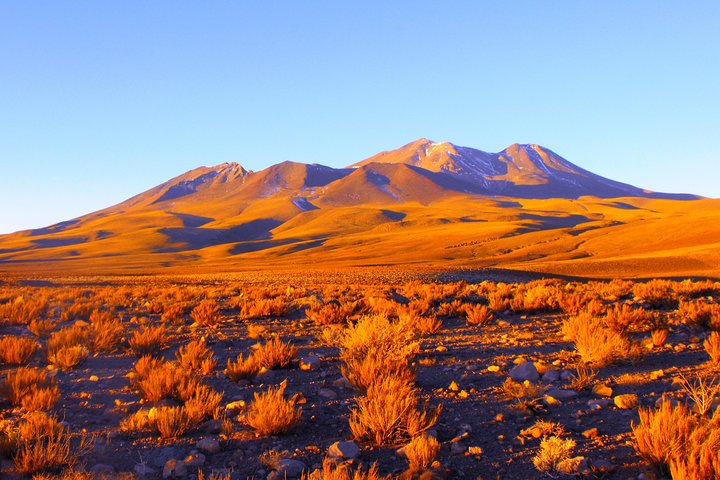
After exploring the geysers, Alberto led us to a nearby high point for breakfast. The spread was simple yet satisfying: fresh bread, local meats and cheeses, and steaming coffee. But it was the view that truly nourished the soul. From our vantage point, we could see the snowy peaks of the Bolivian high plateau and the verdant valleys below, where vicuñas grazed peacefully. It was a scene of serene beauty, a testament to the resilience of life in even the harshest environments.
As we sipped our coffee, Alberto shared insights into the local flora and fauna, highlighting the delicate balance of this ecosystem. His passion for the region was infectious, and I found myself reflecting on the parallels between the conservation efforts here and those in the Amazon. Both regions face unique challenges, yet they share a common goal: to protect the natural world for future generations.
The breakfast stop was a moment of connection, not just with the landscape, but with the people who call this place home. It was a reminder that conservation is not just about protecting wildlife, but also about supporting the communities that live in harmony with nature.
The Return Journey
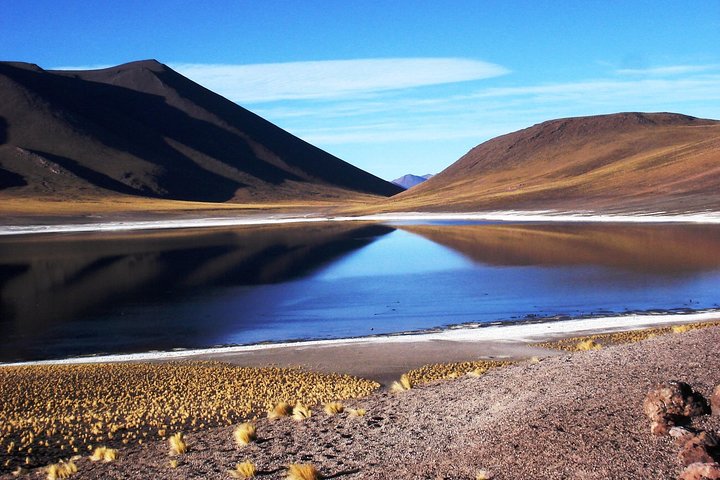
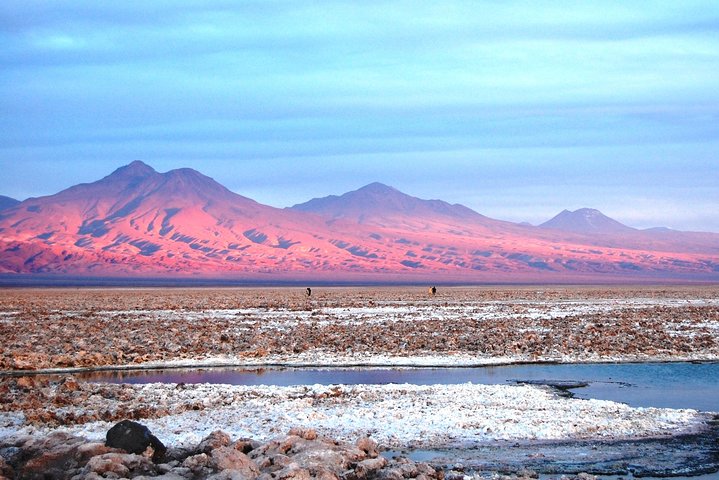
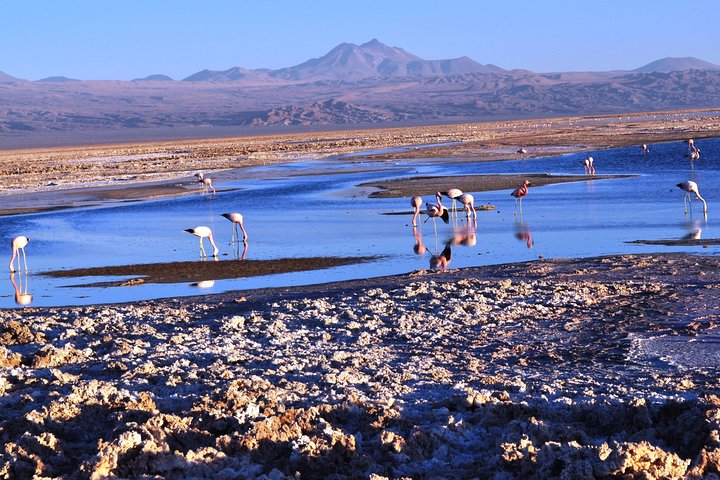
The drive back to San Pedro was a visual feast, a tapestry of colors and textures that shifted with the changing light. We stopped to observe flamingos wading through the lakes, their pink plumage a striking contrast against the blue water. Alberto’s knowledge of the local birdlife was impressive, and he took the time to explain the different species and their behaviors.
As we continued our journey, I was struck by the diversity of life in this seemingly barren landscape. From the flamingos to the Andean fox, each creature played a vital role in the ecosystem. It was a poignant reminder of the interconnectedness of all living things, a theme that has been a constant in my work as a biologist and conservationist.
Returning to our hostal, I felt a deep sense of gratitude for the experience. The Tatio Geyser Tour had been more than just a sightseeing trip; it was a journey of discovery, a chance to connect with the natural world in a profound way. For anyone seeking to explore the majestic landscapes of the Atacama, I highly recommend the Tatio Geyser Tour. It is an adventure that will leave you with a renewed appreciation for the beauty and fragility of our planet.